Observations. Evidence. Ideas.

News & Insights

News, observations, and practical ideas for people who support care. Explore what is changing and what it means for your community.

Explore the research behind our work

Search help

Start with a topic or a few words, or leave search blank to browse.

Search looks through titles, summaries, authors, and article text. With several words, each word must appear somewhere in the article.

Choose a theme to see its articles straight away. Your applied search and filters stay in place. Choose All themes to explore across themes.

For a closer match, open More filters and choose a setting, reader role, or article type, then select Apply filters. You can also enter words and choose Find articles. Results must match every option you choose. Leave an option set to All to keep that part open.

ThemesThe ideas an article explores

An article can belong to more than one theme. Explore what each covers and why we write about it.

Caregiving & family life
The everyday experience of giving and receiving care: family relationships, changing roles, practical support, and time for yourself. We explore what helps care fit into a full life.
Community & belonging
Friendship, shared purpose, creativity, volunteering, and welcoming places to gather. We explore how people feel known, contribute in ways they choose, and enjoy life together, and what makes participation possible.
Care teams & transitions
Communication, shared care plans, and changes between home, hospital, and community support. We explore what helps people stay informed and involved as care needs change.
Leadership & operations
Supporting staff, listening to participants, coordinating programs, and sustaining services. We explore the everyday decisions that help organizations serve people well.
Technology & responsible AI
Digital tools, accessibility, privacy, and thoughtful uses of AI. We explore where technology can help, with human relationships, choice, and judgment guiding its use.
Policy & industry change
Changes in care policy, funding, research, and service delivery. We consider what these developments could mean for people, families, and the organizations supporting them.
SettingsCommunities and organizations

Find articles relevant to a community, care setting, or organization. These options include people and partners as well as places:

  • Families, caregivers, and volunteers
  • Funders and foundations
  • Community centers and day programs
  • Care agencies and community partners
  • Health systems, providers, payors, and partners
  • Device and technology companies
  • Developers and product builders
Reader rolesThe perspective you want to explore

Choose a perspective that interests you. You can read from any role:

  • Caregiver
  • Volunteer
  • Frontline staff
  • Program manager
  • Executive / CEO
Article typesThe kind of reading you are looking for
Industry news
Developments and findings from across care and community life.
genus perspective
Our interpretation of evidence, observations, and ideas.
Practical guide
Steps or suggestions you can put into practice.
Company update
News about genus and our work.

No matches? Try fewer words or remove a filter. Clear filters clears your search and all selected options.

Save articles to read, listen, or keep as a text PDF.

Saved articles (0)

Matching articles

222 articles · Page 12 of 19

genus perspectiveReference date ·

Purpose can begin with one small commitment

A sense of purpose need not begin with a large resolution. We consider one chosen commitment, enough room for changing circumstances and a community where belonging is never earned through productivity.

  • Community centers and day programs
  • Families, caregivers, and volunteers
  • Care agencies and community partners

genus perspectiveReference date ·

Check the plan for the days services change

Holiday opening hours and winter pressure can alter an otherwise familiar care arrangement. NHS England’s September 2024 winter priorities prompt a local team question: do people know what is confirmed, what changes and whom to contact during the gap?

  • Community centers and day programs
  • Care agencies and community partners
  • Health systems, providers, payors, and partners

genus perspectiveReference date ·

Continuity deserves a place between appointments

Medicare’s new advanced primary care management payments recognize ongoing work around appointments. A dependable offer of continuity needs clear contacts, responsibilities, and expectations.

  • Health systems, providers, payors, and partners
  • Community centers and day programs
  • Care agencies and community partners

genus perspectiveReference date ·

Did the tool make this task easier?

Fast drafting is only one part of a useful task. Research on differing staff views of AI-assisted replies prompts a broader review of preparation, checking, and whether the final communication helps the person receiving it.

  • Community centers and day programs
  • Care agencies and community partners
  • Health systems, providers, payors, and partners

genus perspectiveReference date ·

Keep people’s priorities in the budget conversation

Budget choices shape the service people can use. Bring practical knowledge from participants and staff into the options, explain the limits, and examine what each proposed saving would change.

  • Community centers and day programs
  • Care agencies and community partners
  • Health systems, providers, payors, and partners

genus perspectiveReference date ·

Making room for grief and changed traditions

NIA’s July 2024 grief guidance recognizes that people mourn differently. Our perspective: holiday connection can include a changed plan, a memory shared by choice and permission to participate in a way that feels manageable.

  • Families, caregivers, and volunteers
  • Community centers and day programs
  • Care agencies and community partners

genus perspectiveReference date ·

The everyday help that holds a neighborhood together

Not every helpful act comes with a volunteer badge. New civic-life findings prompt a reflection on specific offers, comfortable boundaries and the ordinary help neighbors can choose to share.

  • Community centers and day programs
  • Families, caregivers, and volunteers
  • Care agencies and community partners

genus perspectiveReference date ·

Make room to practice before support changes

Being told about a care task is different from feeling prepared to help with it. NICE transition guidance prompts teams to check what chosen supporters have agreed to do, what training they need and where they can return with a question.

  • Community centers and day programs
  • Care agencies and community partners
  • Health systems, providers, payors, and partners

genus perspectiveReference date ·

People are asking for places to connect

An October 2024 survey report describes interest in more opportunities to connect. We explore how a community can turn that broad wish into one idea shaped with the people who would use it.

  • Community centers and day programs
  • Families, caregivers, and volunteers
  • Care agencies and community partners

genus perspectiveReference date ·

Protecting community funding starts with clear responsibilities

A GAO review of Older Americans Act programs highlights the importance of assessing fraud risks. For community organizations, clear responsibilities and proportionate checks help protect the resources services depend on.

  • Community centers and day programs
  • Funders and foundations
  • Care agencies and community partners

genus perspectiveReference date ·

Sharing care among siblings without assuming equal availability

NIA’s guidance asks families to consider skills, changing availability and personal limits. Our perspective: a fair conversation starts with what each sibling can reliably offer and what the person receiving support actually wants.

  • Families, caregivers, and volunteers
  • Community centers and day programs
  • Care agencies and community partners

genus perspectiveReference date ·

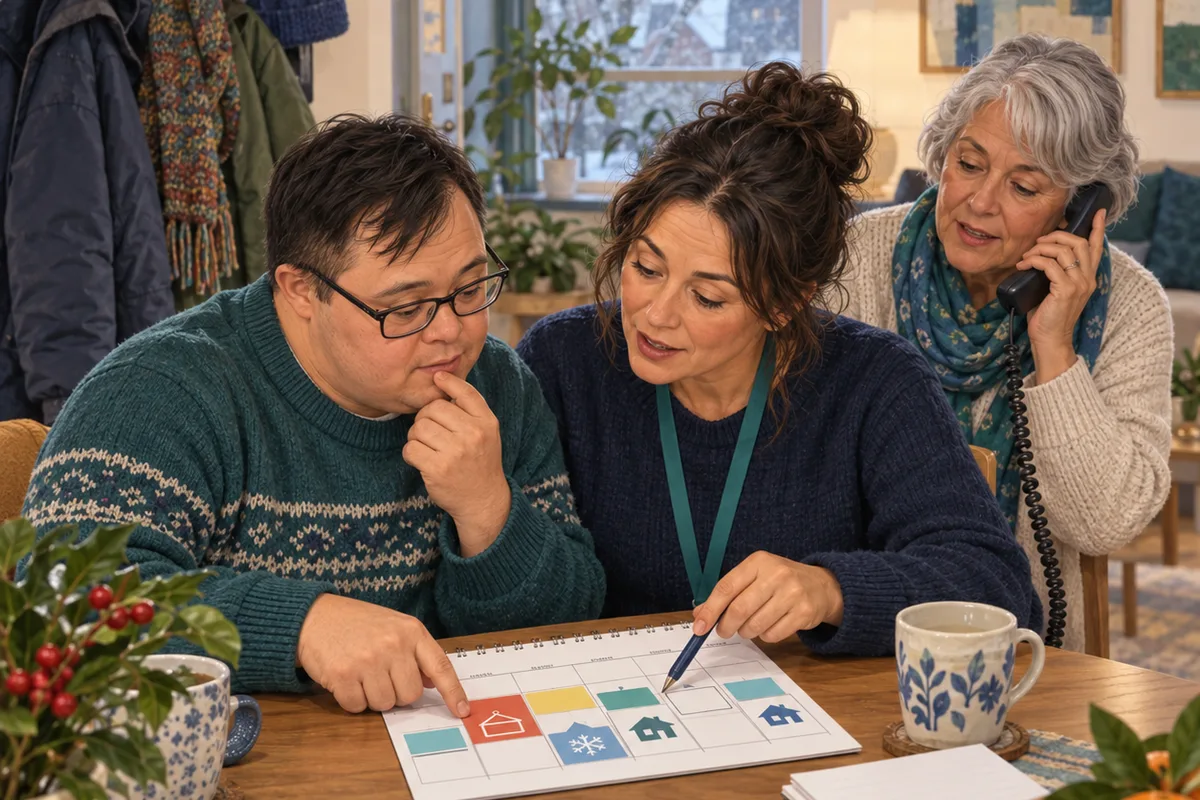
The alert that did not arrive

A connected experience depends on the route carrying its information. An FCC outage report prompts a planned, nonclinical reminder demonstration: what does a missing update mean, and what useful alternative is available?

  • Community centers and day programs
  • Care agencies and community partners
  • Health systems, providers, payors, and partners

Your place here stays open. Close the new tab or select this site’s tab to return.

Open in new tab